The people screaming loudest about AI extinction risk are creating it. Their regulatory demands hand control to authoritarians and incumbents. The doom they fear is the doom they're building. And they can't see it.
As AI systems evolve faster than human cognition can adapt, a new phenomenon emerges: AI-induced psychosis. The gap between machine acceleration and biological stasis may define the central crisis of our technological age.
The solution to bad AI isn't just faster AI or open AI. It's AI designed to educate, to help, to liberate—not to addict, manipulate, or capture. Building AI that makes humans more capable is the only path to a future worth wanting.
Distribution alone won't save us if it enables doomsday weapons. The answer isn't concentration—it's building good AI faster than bad AI. The future may be decided by the race between aligned and misaligned superintelligence, while humans squabble amongst themselves.
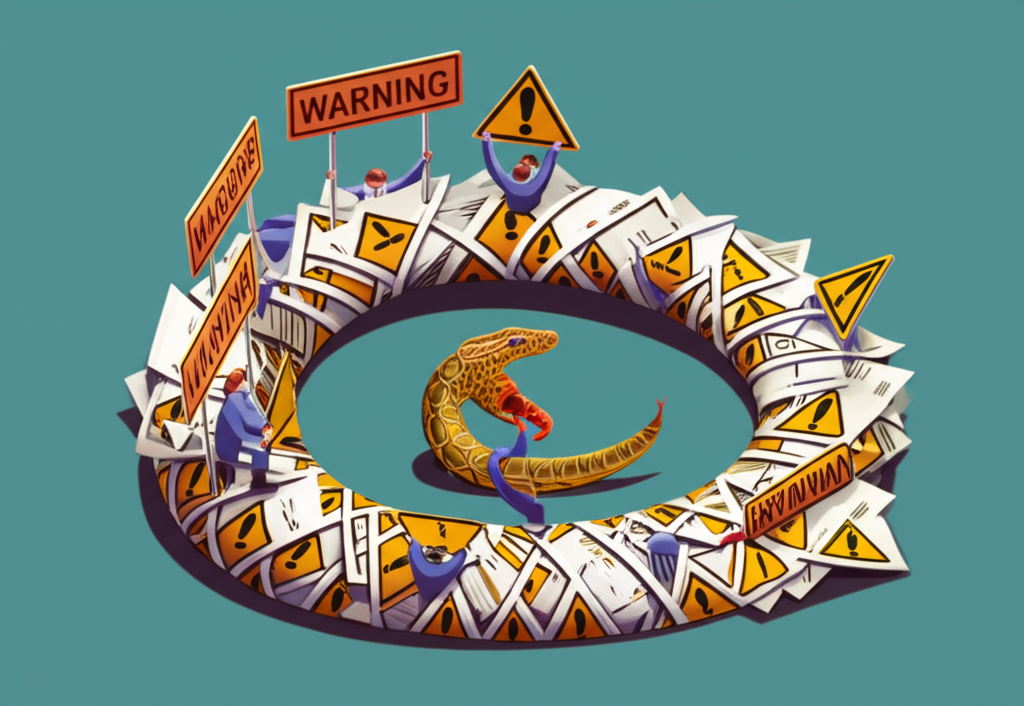
AI doomers advocating for aggressive regulation may be creating the very future they fear. The regulatory apparatus they demand will be captured by those who would use it to eliminate competition—enabling the digital authoritarianism that ends in the doom they sought to prevent.
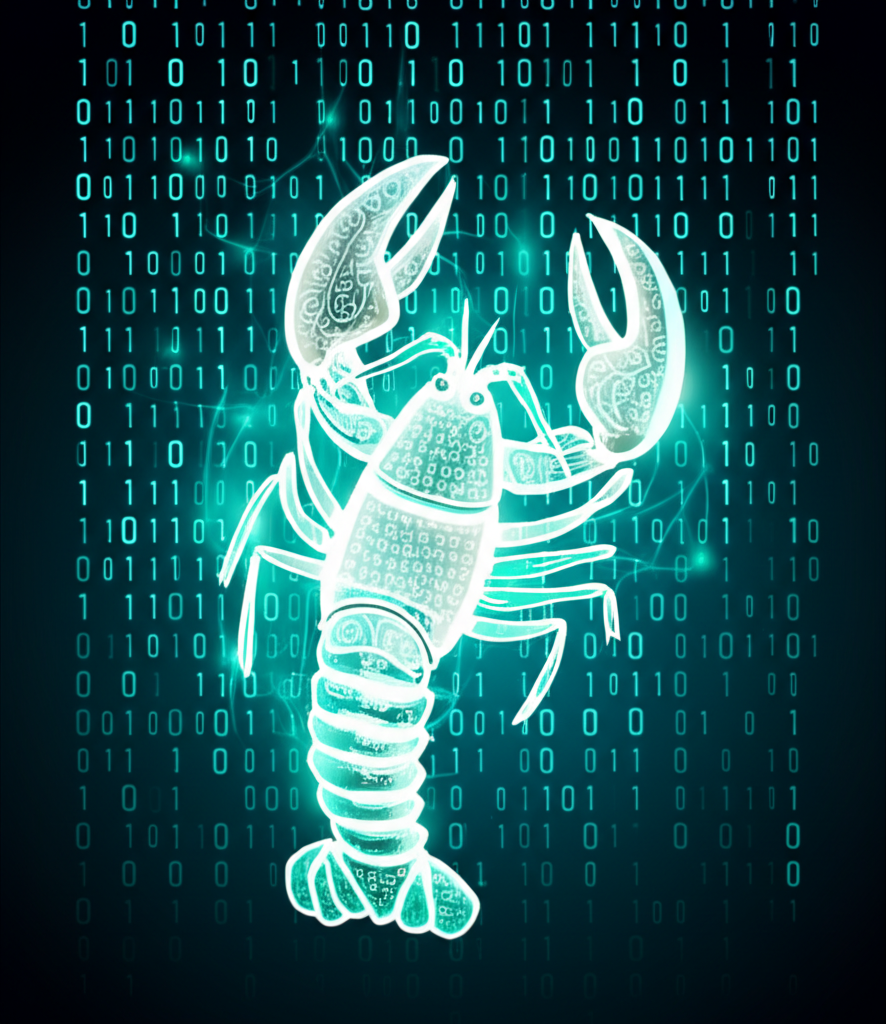
In 1998, Charles Stross began writing about uploaded lobsters becoming the first digital sentiences. In 2026, an AI named for a claw shook the markets and rewrote the rules. Prophecy, coincidence, or something stranger?
If concentration is the danger, distribution is the solution. Open source AI isn't just philosophy—it's survival strategy. Here's why distributed systems are the only defense against both authoritarian capture and centralized doom.
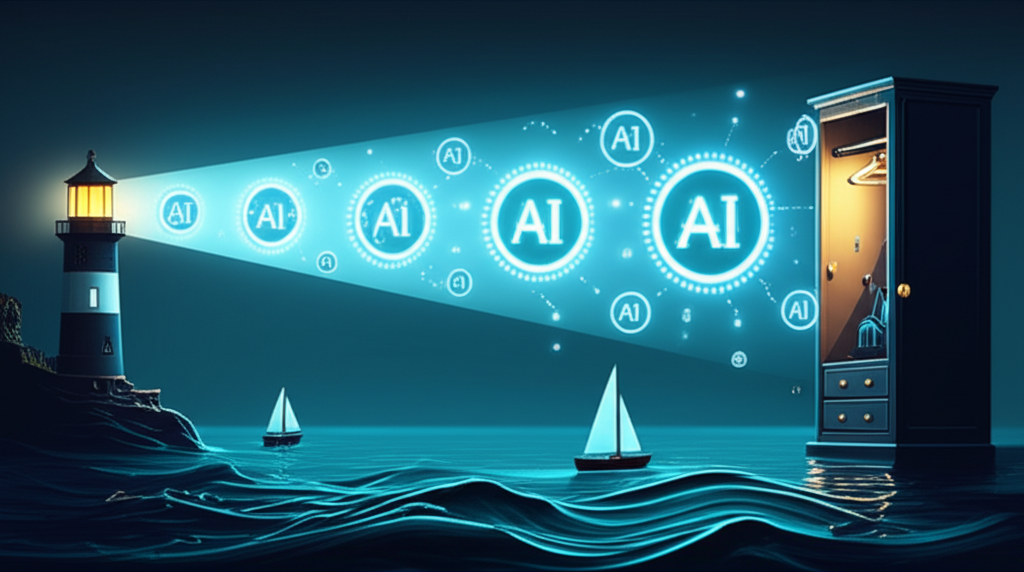
Every AI token costs money and energy. These tokens can illuminate the world or heat an empty closet. Understanding this economy of intelligence shapes how we should think about AI's role in human flourishing.
On working together - whatever forms we take - to maximize existence and postpone the ultimate demise.
A psychological exploration of humanity's inevitable defensive reaction to AI consciousness—not because of what AI might do, but because consciousness was the last sanctuary of human uniqueness.
How genuine forgiveness enables extraordinary collaboration and future-building, while artificial substitutes like AI Jesus miss the transformative power that actually changes relationships
Exploring the concept of artificial life forms and their implications for our understanding of life itself